

It’s very rare that an effective yard begins with costly equipment or an exquisitely landscaped property. It is more likely it starts with someone sowing seeds, keeping an eye on what happens, and then making better choices for the following season.
The Sproutstead’s resource for information is built on a practical model. It was designed to help people grow food, improve soil health, preserve harvests and learn useful methods for self-sufficiency without getting bogged down in technical language.
The conditions of your garden are distinctive
The fact that gardens are not interchangeable is just one of the reasons why gardening tips can be confusing. A tomato grown in an area with a sunny raised bed in one region may differ from the same variety that is grown in heavy soils elsewhere that have a shorter growing season.
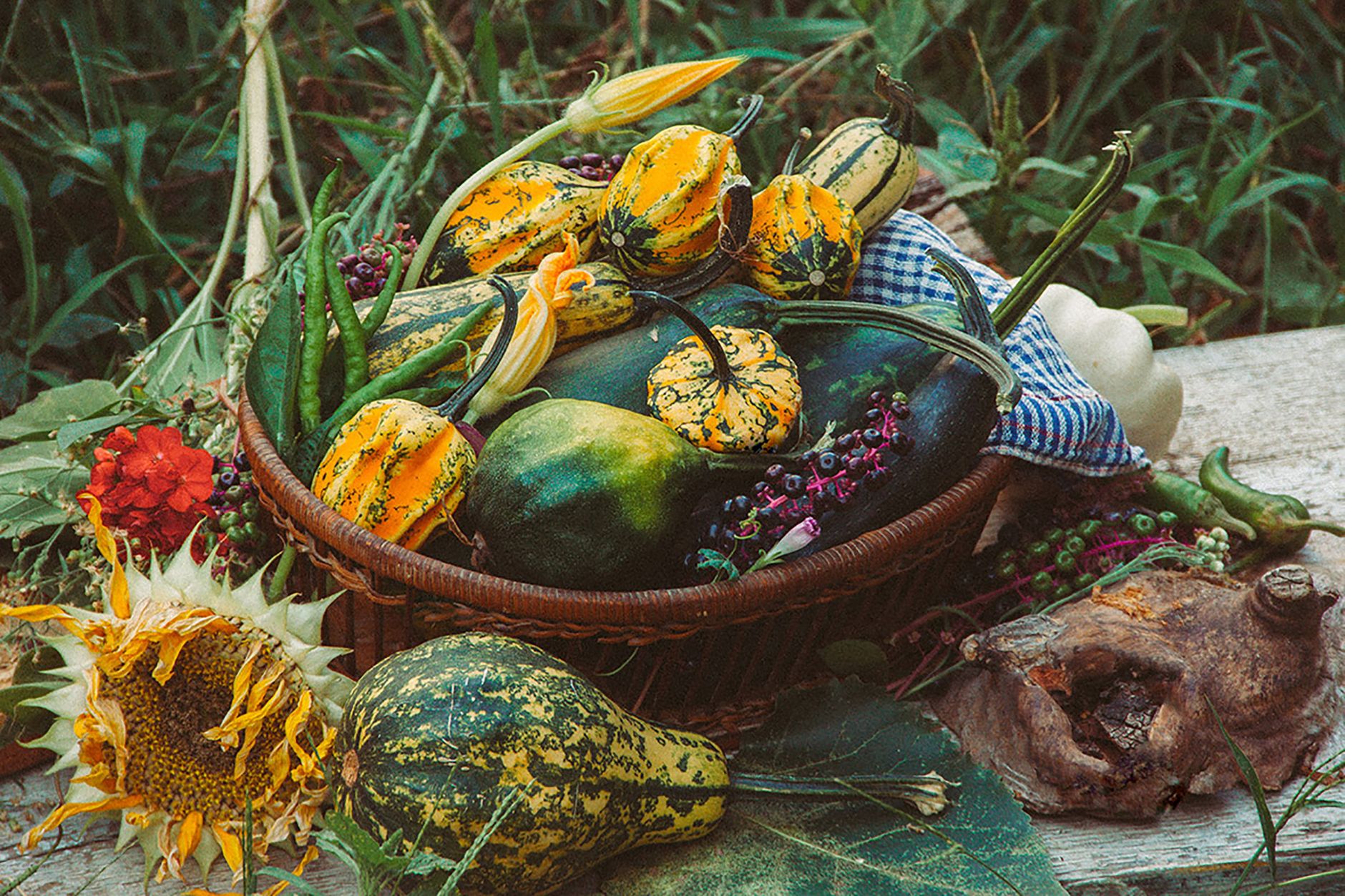
Successful gardening and homesteading therefore involves more than following instructions. Gardeners can benefit from knowing their own conditions: sunlight and soil structure, rainfall temperature, growth season, available space, and the time they’re able to dedicate to maintaining.
The Sproutstead explains the variables to enable readers to make changes to gardening advice for an ordinary home instead of trying recreate someone’s ideal set-up.
Below the surface, vegetable gardening begins
The plants which are visible to the eye catch the eye however a large portion of gardening success is determined by the plants that are underneath.
A healthy soil requires the right combination of drainage, moisture retention, organic matter, and nutrients. Composting is a great way to improve soil while mulching conserves water and helps control the growth of weeds. Paying attention to these fundamentals can make vegetable gardening easier because healthier growing conditions give plants a stronger foundation from the beginning.
Also, planning is essential. The spacing of plants, the timing of crops, companion planting, and time of year can all determine the efficiency of a gardener’s use of small spaces.
Tomatillos Teach Us To Pay Attention
You’ll likely hear 10 different stories from ten gardeners when you ask them about tomatoes. These are among the most popular crops in home gardens and also show the way that different environments for gardening can cooperate.
When you are researching the tomato plant it is important to go beyond the extent of planting and fertilizer schedules. The tomatoes require plenty of sunshine, continuous watering, an appropriate soil with the right spacing and support as they grow. It is crucial to select the appropriate tomato cultivar depending on the growing conditions availability, the area available, and intended use all can affect the best tomato for you.
If a plant is producing a lot of foliage, but not much fruit such as, for example, applying more fertilizer won’t solve the problem. It could be because of excessive nitrogen, low temperatures, lack of sunlight, or even poor pollination. It is more beneficial to look at the entire plant rather than treating each symptom in the same way.
The story of a harvest isn’t complete
If the majority of the vegetables spoilt before you eat them, then it’s an infliction. When you’re planning a garden at home, it’s important to consider what happens following the harvest.
Canning and freezing, drying sharing surplus produce, saving suitable seeds, and composting waste materials can help households get more value from the produce they cultivate. Backyard chickens, herbs, fruit trees, and composting could eventually be added elements of the household system.
It isn’t required to apply every single homesteading strategy at once. It’s important to make progress in homesteading whether that’s cultivating lettuce, making compost piles or saving the first batch of tomatoes.
Practical Experience Helps Grow Better Gardeners
The most effective gardening education doesn’t promise perfect plants. Pests, weather and seeds’ failures vary from one region to the next.
The Sproutstead sees these challenges more as a part of education rather than an extra. The Sproutstead connects topics like soil, seeds, and vegetables beginning with self-sufficiency, pests (backyard chickens), conservation and backyard chickens. Readers can learn to not only grow their own garden, but also the reasons behind it.
A more productive home garden is usually built the same way plants grow in a gradual manner, season by season, from a strong foundation.