

For veterinarian practices, the phones aren’t defunct just because the office closes. Animals are sick in the evening and patients panic on weekends, and calls aren’t always answered at convenient time. Calls that are not answered, sent to voicemail or an answering service of generic nature with no understanding of the clinical environment can result in irritation to pet owners, stress to on-call vets and missed opportunities to the practice.
After-hours communications are a vital component of the veterinary profession. A good answering service for veterinary practices is much more than picking up the phone. It helps practices protect the client relationship, guide pet owners to the appropriate next step, and reduce the stress on staff who are already stretched thin. In the modern veterinary setting, after-hours support is not simply a matter of convenience. It’s a part of the firm’s commitment to a continuous flow of the care.
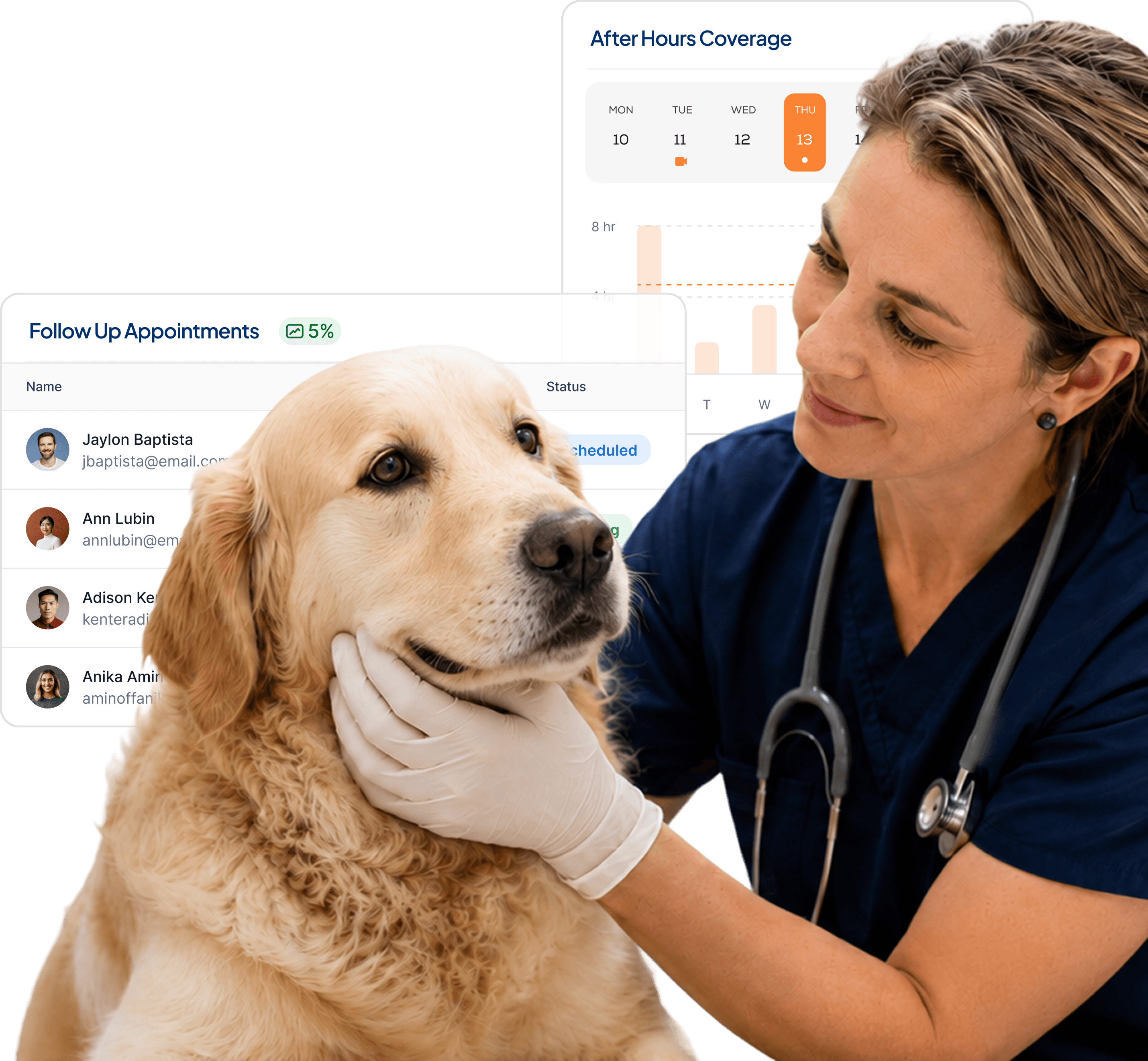
Image credit: guardianvets.com
Some answer solutions aren’t designed for use in veterinary medicine
There’s a distinct difference between a generic vet answering service and one built for animal hospitals. After-hours calls in a vet environment can be difficult. Customers may be concerned about poison exposure, post-surgical complications, or vomiting. They might also wonder whether their pet is in need of immediate emergency treatment. These scenarios require more than simply relaying messages. They require judgment, structure and a calm voice by someone who knows the processes of veterinary work and urgency.
This is where GuardianVets stands out. GuardianVets isn’t simply a call center. It is a vet specific support partner, staffed by licensed veterinary technicians. That distinction matters. A trained technician can assess the nature of the call, follow the clinic’s triage and escalation protocols, help the pet owner understand the level of urgency, and direct them toward the right next step without stepping outside the boundaries of the veterinary-client-patient relationship.
The vet triage service could help everyone make better decisions
A genuine veterinary triage system could give clarity in stressful times. Many pet owners don’t know whether a situation is urgent or if they can put it off until the morning. Many people are left in the dark and rush to an emergency hospital in a hurry or avoid seeking treatment.
It helps to close this gap. It gives pet owners an experienced person to speak to, which reduces confusion, and assists practices to ensure that urgent cases are handled appropriately while non-emergent concerns are logged and routed appropriately. Also, it helps prevent veterinarians from being held up for situations that do not need intervention by a doctor during the hours. This could have an enormous impact on the work-life balance of hospitals, where physicians carry the burden of clinical care throughout the day, while being on call during the night.
The veterinary center you choose is one that will fit into your workflow and not impede them
A modern veterinary call center should not operate as a disconnected service sitting outside your practice. It should function as an extension of your staff. That means knowing the rules for appointments and emergency protocols, ways to escalate, and your communication preferences. This includes integrating your PIMS, so the triage notes as well as schedule results flow into the system currently utilized by your team.
GuardianVets was built around this concept. They review the gaps in coverage, trace how clients communicate currently and create an approach that reflects the reality of the situation, rather than making it rigid structure. This is a big contrast to the traditional answering service that typically ends at the point of message capture, before sending it to the clinic.
More coverage after hours improves than convenience
An efficient after-hours answering service for veterinary practices can do more than just help reduce the number of missed calls. It helps maintain customer confidence during stressful times and help keep more cases within the network of your practice when needed, and give teams an efficient method to deal with late-night demands. It can also help increase profits by turning weekend or overnight inquiries into scheduled appointments, rather than wasted opportunities.
It also assures pet owners that they can seek help if needed. This type of assistance is crucial very much in veterinary medicine, since the majority of calls after hours are practical. They can be emotional. People are concerned about a beloved pet, and the response they receive will influence how they feel about the procedure for a long time after the immediate problem is resolved.
For clinics looking to enhance both the care of their clients and team health, GuardianVets offers a model that goes above and beyond a typical answering service for vets. It allows practices to remain available for patients, even if clinic doors are closed, through integrating workflows along with compassionate communication.