

The month has ended. The month is over.
It is recommended to check the bank account of the restaurant.
The number is not exactly what you’d hoped for.
For restaurant owners, that gap can be frustrating as profits and cash available seem like they should tell the same story. The two don’t line up. A P&L evaluates the performance of the business’s finances for a particular period of time, while an account in a bank shows the exact timing of funds flowing into and out of he business.
Understanding the difference can alter the way a restaurant’s manager thinks about their finances.
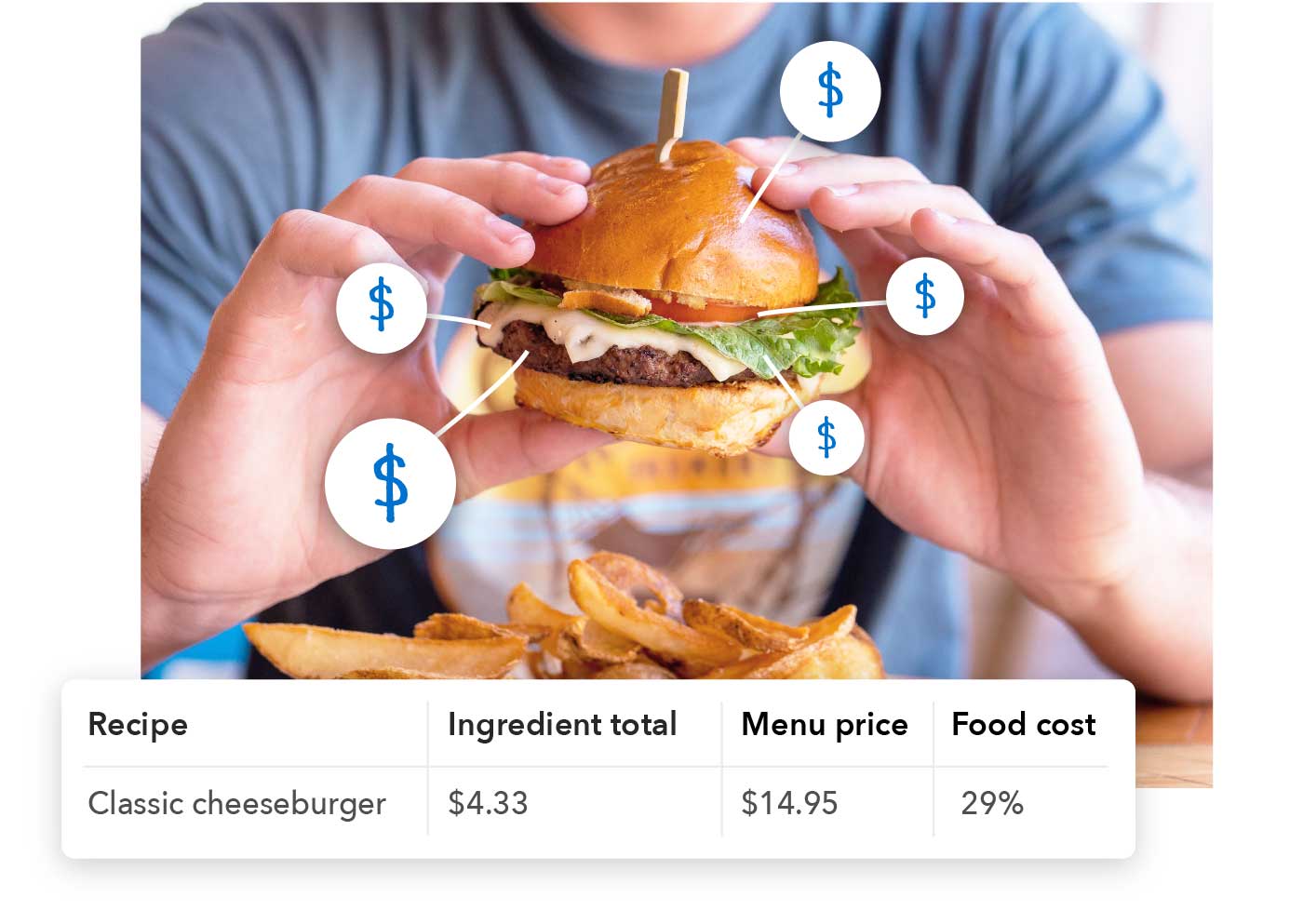
Imagine what could happen on a typical workday. The customers pay for food. Employees have to be paid. You will receive invoices along with the delivery of food and drinks. Rent is on the way. Credit card deposits are also timed. Sales tax is an obligation.
The shopping for the week ahead has already begun.
Focusing on revenue only or the ending profit number misses much of that activity.
The Key to the Mystery Could Be Hidden in the Prime Cost
When the profitability of restaurants starts to change in the wrong direction, the food, beverages and labor expenses require focus.
Prime cost consists of both items and labour. The Bookkeeping Chefs’ provided guidelines place the primary cost between 60% and 65 percent of revenue for many restaurants. They also recommend regular monitoring of the week instead of waiting until the month ends.
Effective prime cost management is less about obsessing over a single percentage and more about noticing movement early.
Suppose that normally the restaurant does well, but this week, it’s more of a percent. Maybe the number of overtime hours has increased. The price of drinks may remain the same, while food costs rose. The operator may review menus as well as waste, portions sizes or vendor invoices, as well as purchasing if the food portion is higher.
The percentage raises the question. The answer lies in the underlying restaurant activity.
This conversation is possible because everyone is able to recall what happened.
After two or three weeks, it becomes more difficult to reconstruct the specifics.
The Vendor’s bills arrive
Restaurants may purchase ingredients during a week and make payments the following week. This timing helps to explain why profit alone is not enough to answer every cash question.
Invoices from vendors must be tracked, accepted and paid. In the course of manual processing, an organization with a lot of suppliers could become an enormous administrative burden.
Automating accounts payable can streamline this process, which reduces repetitive tasks such as handling payments and bills. The owner can get better insight into the debts that haven’t landed in their bank account through integrated bookkeeping systems.
This is beneficial, as the bank’s balance could appear more healthy than the restaurant’s current situation.
There might be $80,000 in the account as of today. The $80,000 amount is little if vendors, rent or payroll make up a large portion over the coming days.
That leads naturally to cash flow forecasting.
Instead of asking “How many dollars of cash are we carrying?” the better question is “What will happen to our cash after the cash we anticipate to receive and our obligations that we already know about?”
This distinction is essential when deciding on whether or not this is the appropriate week to buy an additional purchase or replace equipment, or to maintain liquidity.
The Money You Received Could Not be Yours
The example of sales tax is an excellent one.
The money restaurant owners receive from customers is eventually going to need to be handled in line with the tax requirements. If these funds are mixed with operating cash, then the bank balance may give an inaccurate impression of the amount of money available.
Regularly maintained records help restaurants comply with sales tax laws as well as giving a clear view of their financial position.
Restaurant accounting is more effective when the financial obligations of each restaurant are not treated separately.
Prime cost affects margin. COGS and future payment are impacted by purchases from vendors. Both labor and cash percentages are affected by the payroll. Cash flow is impacted by the sales tax. P&Ls report financial performance, and forecasting allows management to take a look ahead.
The pieces are joined.
Bookkeeping Chef combines restaurant-specific reports with system integrations. Specialized outsourced bookkeeping services are an ideal alternative for businesses that aren’t able to manually reconcile financial information. They are able to handle the bulk of the accounting duties but without taking the owner away from discussions about finances.
It’s the last part that’s important.
It’s not for restaurant owners to stop looking at the books because someone else is handling them. It’s crucial that the owners are informed so that they can understand what’s happening.
If the P&L shows that the establishment is earning money but the bank balance seems unbalanced, don’t assume the P&L must be incorrect.
What happened between the two?
The answer to this question will provide more information about the restaurant, more than just the name.