

Engineering would be significantly easier if the water would always arrive at the same speed.
It doesn’t.
The amount of waste that goes into a water system is subject to change throughout the day. Commercial and industrial facilities may be operating at peak times. Conditions for stormwater may drastically alter according to the weather. The demand for clean water also fluctuates according to the type of application.
Therefore, the design of an efficient pump station isn’t just it’s a matter of finding a flow rate and choosing equipment to meet it. Engineers must understand the conditions that the system will be exposed to.
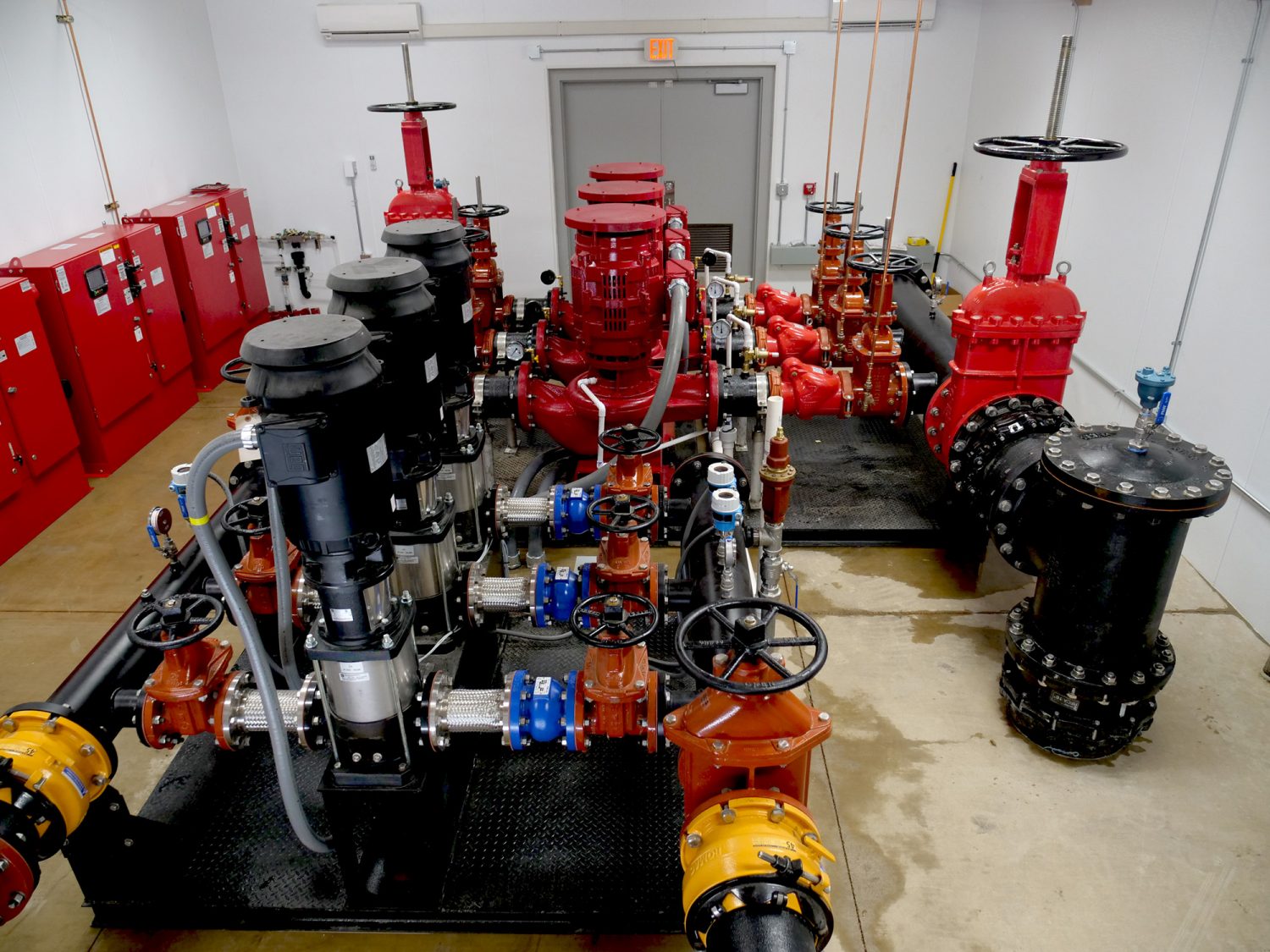
Image credit: romtecutilities.com
Take into consideration the operating conditions and not only the maximum Capacity
A high flow is definitely important but it’s just one element of station operation. Imagine a wastewater system that was designed for a high peak-flow. The majority of the time the flow coming in is less. In these times when the station is not operating, it must be operating properly.
It brings up issues like wet-well sizing and sizing of the pump and control system the head’s condition, how to adjust equipment as the demand for it changes.
A properly engineered package pumping system brings these considerations in line with the requirements of the site instead of using the highest capacity of the pump as the entire design objective.
The Routine for Wastewater
A wastewater lift station serving homes, businesses, or municipal infrastructure may experience changing influent conditions throughout its operating cycle.
The station’s control strategies will determine how the system manages the collection of wastewater and its pumps. Dimensions of the structure, pumps, valves, piping, electrical components, and even controls all play an important role in that process.
The design might also include aspects specific to the particular site. Romtec Utilities will incorporate any additional systems, like grinders, vaults and odor control devices in the event of need. The result is a system engineered around the project rather than a generic configuration that is applied to all wastewater sites.
Stormwater can change much faster
Stormwater is a completely different process. A stormwater lift-station may be relatively quiet during dry conditions but then experience an influx that is significantly greater during a weather-related event. The station can be an element of a larger flood-control treatment, detention or drainage plan, making the stormwater strategy surrounding it an essential element of the system design.
Romtec Utilities evaluates factors including the flow rates required as well as head conditions, system size the site’s requirements, as well as environmental factors when designing these systems.
A station that serves a commercial area may, therefore, look very different from one designed to serve a municipal stormwater system.
Head Conditions are Important as well as Flow
The problem of transporting 1,000 gallons is not the only engineering challenge. Engineers need to understand the direction of this water and how much resistance they will face.
Variations in elevation, piping design as well as discharge conditions and other system characteristics influence the head conditions against which pumps work.
This relationship between head and flow is another reason to select an appropriate pump solely based on its rating isn’t enough. The technology of the pump and station’s configuration have to be adjusted to the hydraulic requirements throughout the application.
Create the station to meet the conditions that it will encounter
Romtec Utilities develops customized pumping systems for wastewater, stormwater, clean water boosters, industrial and other purposes. The process includes preliminary design, budgeting, plan sets along with system components, documentation, testing and startup.
The basic engineering principle behind it is quite simple: genuine pumping systems don’t spend their lives under a comfortable set of rules.
They must also consider the specific hydraulic requirements of the project, in addition to the fluctuating flow, demand and requirements. This should be considered when designing a station that is successful.