

The condition of residential oil tanks is rarely looked at by homeowners, yet these tanks are crucial to the security and comfort of the home. The replacement of oil tanks is a major investment which should be considered a top priority for homeowners as it directly impacts the security of the infrastructure as well as the environment of the property.
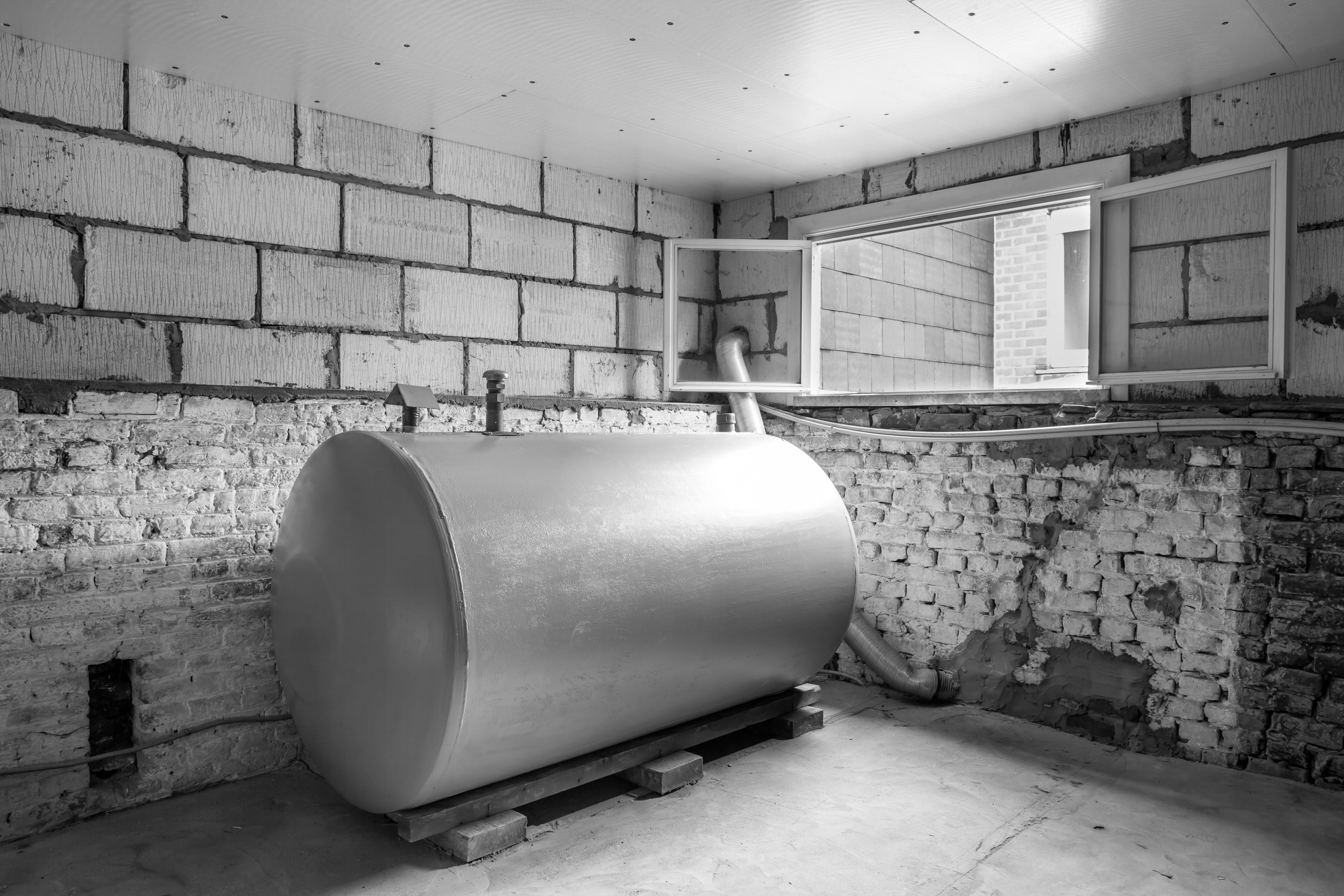
Residential oil tanks provide an efficient source of fuel for hot water and heating systems. However, over time, corrosion can begin to develop, which may cause leaks and environmental hazards. It is essential for homeowners to evaluate the condition of their oil tanks and decide on a replacement when it is necessary. Oil tank replacement is not just an economic decision. It’s also a means to safeguard your home and keep the availability of heating oils.
Considering the Cost
The financial aspect of oil tank replacement is a major consideration for homeowners. The price of an oil tank replacement may differ based on factors like the size of the tank, its installation and if there are environmental demands. Accurate cost estimates from reliable oil tank service providers is essential for a successful budgeting. The initial investment is substantial but it’s essential to ensure security and function.
Factors Influencing Replacement Costs
A variety of factors influence the cost of replacement oil tanks. The size and the type of tank, access to the installation site and environmental remediation requirements and compliance with safety requirements and construction codes are all a part of the equation. Owners of homes should be aware the costs of materials and labor, as well as any modifications that are required. Knowing these costs empowers homeowners to make informed decisions regarding replacement costs.
Prioritizing Environmental and Safety Considerations
The replacement of storage tanks for oil is driven by safety and environmental concerns. Tanks that age are susceptible to corrosion and leaks that can cause soil and groundwater contamination. When you replace damaged tanks, you will be able to protect the environment and your property. A strict set of safety guidelines is adhered to during the construction of new tanks to prevent accidents. This ensures household safety is assured.
How to Select a Reliable Service provider
For a seamless, compliant replacement process, it’s important to select a reliable service provider. Owners of homes should look for licensed professionals with expertise with oil tank installation and removal. It is recommended to select the service provider who has experience in oil tank removal and replacement. They should also be committed to environmental safety, responsibility, and a higher level of professionalism. Professionals with integrity and professionalism assure that your oil tank replacement requirements are fulfilled.
The long-term benefits far outweigh the initial cost.
The benefits over the long term of changing an oil tank are more than the initial expense. The replacement of old tanks can help homeowners avoid costly repairs to the environment and property damage due to leaks. Tank replacements offer increased performance and security, bringing peace of mind as well as an efficient heating fuel source. The replacement of oil tanks is an effective and proactive step to protect your home, promote the environment and guarantee long-term peace of mind.
In the end replacing the oil tank isn’t just a financial investment, but an essential element for homeowners to ensure safety, functional and sustainability of their homes. Homeowners can make informed choices through assessing the significance of replacing the tank, considering the associated costs, and prioritizing safety and environmental concerns. Through proactive maintenance and prudent replacement, homeowners protect their properties, contributing to a sustainable and secure living space.