

The landscape of service and retail is changing, as are the tools used to drive them. The current POS system is at the heart of this evolution. It’s a blend of hardware and sytems that surpass cash registers, receipts and other fundamental features. The point of sale is not only about collecting money. Today, the point of sales experience is about operational intelligence, customer insight, and seamless integration across every aspect of the business.
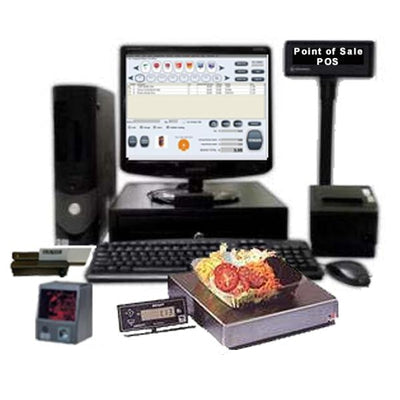
The Heart of POS Software: Beyond Transactions
Point of sale POS software is an administrative center that can handle basic transactions. It keeps track of the inventory sold, adjusts stock levels in real-time and also sends out notifications when stock levels are at a low level. It also tracks sales history and customer preferences, turning every purchase into valuable information that will inform future purchasing and marketing choices.
A good POS system’s ability to link departments is one of the most under-appreciated features. Instead of handling payroll in isolation For instance, some systems include time clock functionality which directly informs employee schedules and wage calculation. This leads to a more efficient workflow that requires less administrative burdens.
POS software comes with the ability to synchronize inventory, which is crucial for companies that have both a local and online presence. Products displayed in stores can reflect what is online in real-time. This helps avoid double-selling and inventory discords. The shift in shopping habits towards a hybrid purchase in which customers browse online and pick up their purchases in stores makes this strategy essential.
Why Integration is More Important than ever
Modern POS systems are a fantastic example of integration. The days of juggling multiple tools that don’t “talk” to one another. The strength of a reliable POS platform lies in the ease with which it connects inventory, sales, staff management and even accounting.
Think about customer experience, for instance. A simple scan at the point of purchase will reveal the loyalty points of a client, apply relevant discounts, and send an electronic receipt to their email inbox, all without slowing down the line. On the backend, the same sale updates the revenue totals as well as the stock availability and daily reports. This allows for a more personal shopping experience and minimizes possible errors and manual input.
This kind of information is invaluable to executives and business owners. They can modify their pricing strategies and respond to changing trends more quickly with precise real-time data.
An investment that pays dividends in the long run
It’s no wonder that more and more businesses are investing in POS systems. They deliver measurable results. Not just in speed or precision, but also in their ability to support better decision-making and growth over the long term. A properly-designed point-of-sale solution can simplify operations and uncover patterns that you may have missed.
Additionally, with the growth in expectations for consumers, a modern point-of sale setup is a vital but unnoticed element of the consumer experience. Quick checkouts, accurate information on inventory and payment flexibility are all part of the standard expectations. Businesses that meet these expectations create trust and encourage repeat business.
Final Thoughts
Modern POS systems aren’t just a way to check out. They’re a link between your employees, your products as well as your clients. The ideal point of sale POS software allows you to understand your business at a higher degree, giving you an understanding of your business’s needs and efficiency in the execution.
In today’s highly competitive industry, being ahead of the other businesses means staying on top of the latest information in a fast-paced, flexible and focused manner on your clients. With a smart integrated POS point-of sale system on your side that you’re not only making sales, but you’re creating something that will last.