

In the constantly changing academic world, effective communication and dissemination of knowledge are crucial. Language barriers can be significant when research and academic documents cross borders. Here, academic translation is an essential tool, particularly for paper and journal translation. This article explores the significance and nuances of academic translation. It provides insight into its function as a bridge to other languages and facilitator for global scholarly exchange.
Understanding Academic Translation
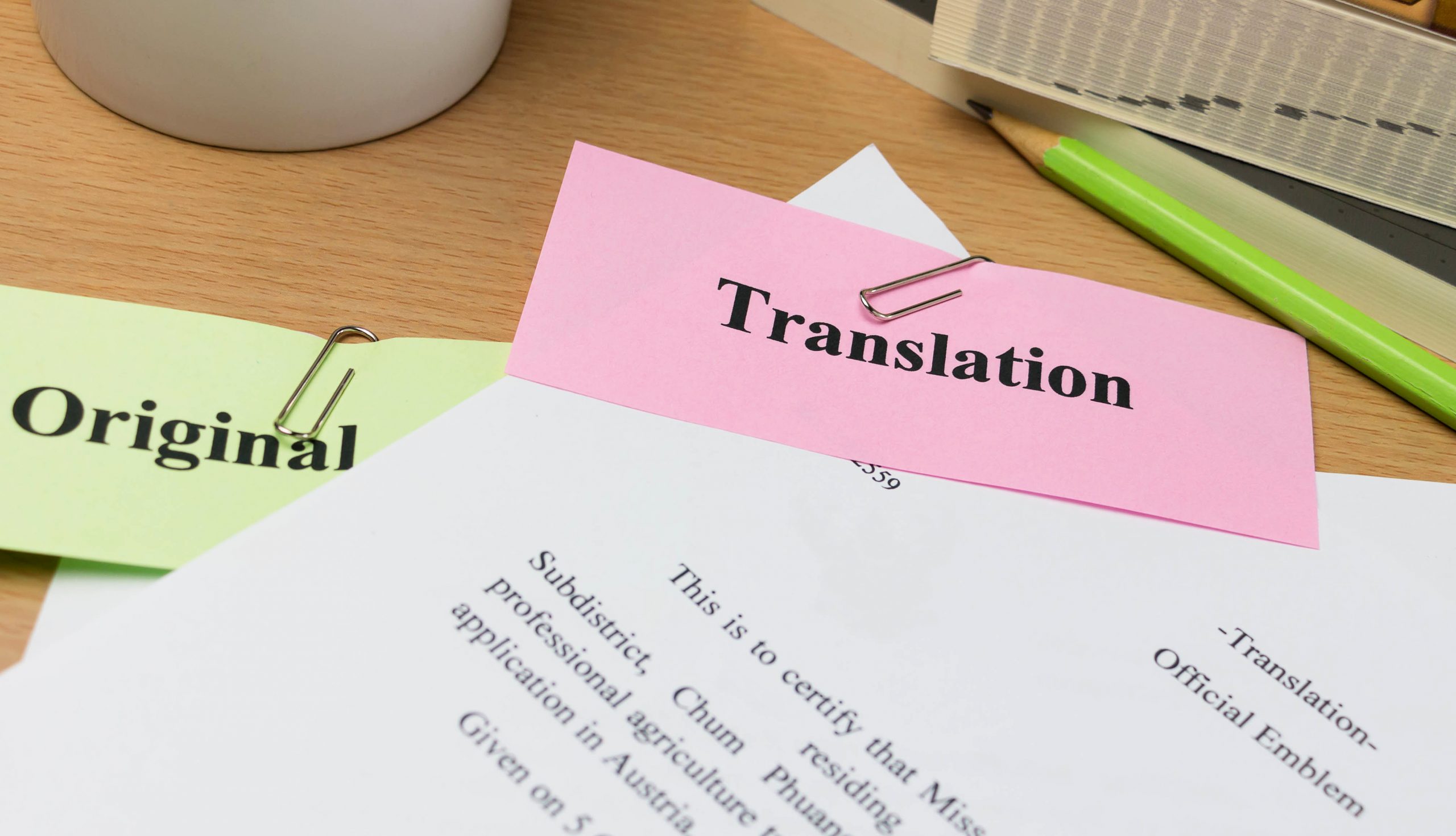
Academic translation is a specific kind of translation that deals with the translation of academic texts research papers, journals and other scholarly works from one language to another. It is a highly skilled job that requires the ability to speak a language and a deep knowledge of the subject.
Academic translation aims to maintain the tone, essence and purpose of the original document while translating it into another language. The translated version should be read similarly and fluently like the original. For more information, click 學術論文翻譯
The Importance Of Paper Translation
Research papers are the foundation of academic development and sharing knowledge. When research papers are written in a language understood by a limited audience The impact potential is significantly reduced. In this case, translation of the paper can be essential.
Paper translation is the process of translating research findings, methodologies discussion, conclusions, and discussions in the original language to the target language, which is typically English to be distributed globally. This ensures that research is viewed by a larger audience, and allows collaboration, critique, and contributions from researchers across the globe.
Journal Translation: How to navigate the world
Journals are the backbone of communication in academia. Researchers are able to use journals to share their research and discoveries with the public. However, language barriers can impede this vital dissemination of knowledge. Journal translation is a solution to this issue.
The process of journal translation is the process of translating all academic journal, including its abstracts, articles, and other materials, into a different language. This lets academic journals be more accessible to a wider audience, and make valuable research accessible and easily understood.
Academic documents translated into translation What role do they play?
Translation of academic papers is a distinct section of translation focused on translating research papers into a target language and preserving their original intent and meaning. The aim is to maintain the integrity of the research while making it available to a wider audience.
The expertise in the subject matter is essential for the translation of academic writing. Academic translators need to understand complex terminology and methods as along with specific nuances in the field of study. Additionally, they should be well-versed in the academic writing style in order to provide an unambiguous translation that matches the design and structure of the original piece.
Unveiling of the Process
Academic translation in the form of papers or journals, is a methodical process to ensure precision and accuracy. Here’s a brief description of the various stages involved:
Translators first assess the size, complexity, as well as the topic of a document or journal. This assessment aids in the creation of a translation strategy that is suitable.
Glossary & Terminology: A glossary comprising particular terminologies that are specific to the subject is crucial. The consistent use of terminology throughout the translation is crucial for precision and coherence.
Translation: The core process is translation, in which the text is translated to the language of the source. Translators carefully choose words and phrases that convey the meaning of the original accurately.
Review and editing: Translated content is checked and edited to ensure it matches the original paper or journal’s intent. This stage is used to address any mistakes or omissions.
Proofreading: The final text goes through a rigorous proofreading process in order to eliminate any grammar errors, punctuation, or formatting.
The Youyitang Approach
Youyitang is a pioneer in the area of academic translation. It is notable for its reliability and expertise. Youyitang is distinguished by its commitment to the highest academic standards. They hire academic translators with strong research backgrounds as well as rigorous academic training and a deep understanding of writing.
One of the standout features of the method used by Youyitang is its dedication to handling every manuscript with absolute accuracy. The translated version reads exactly as smoothly as the original work with no trace of translation. This level is essential in order to guarantee that the essence of the original research as well as its integrity are preserved in the translated work.
Breaking Language Barriers The Global Impact
In collaborating with academic translators Researchers and scholars are able to cut through the language barrier and ensure that their significant contributions are recognized and appreciated all over the world. Academic translation has a global impact that cannot be understated. It encourages collaboration, promotes diversification of viewpoints and builds an academic debate that transcends the boundaries of geography.
In the end, academic language regardless of journal translation or paper, is a powerful tool for facilitating the exchange of information within the academic realm. As the world continues to expand into the global academic community the importance of academic translation is becoming increasingly critical in promoting collaboration, understanding, and progress in diverse fields of study.