

Most homeowners don’t spend a lot of time contemplating their oil tanks. But, this simple metal box tucked away in the basement or in your yard plays a essential function in keeping your home warm and cozy. The oil tank is only a short lifespan, like other pieces of equipment. Ignoring your oil tank’s replacement could result in serious dangers for you and your environment.
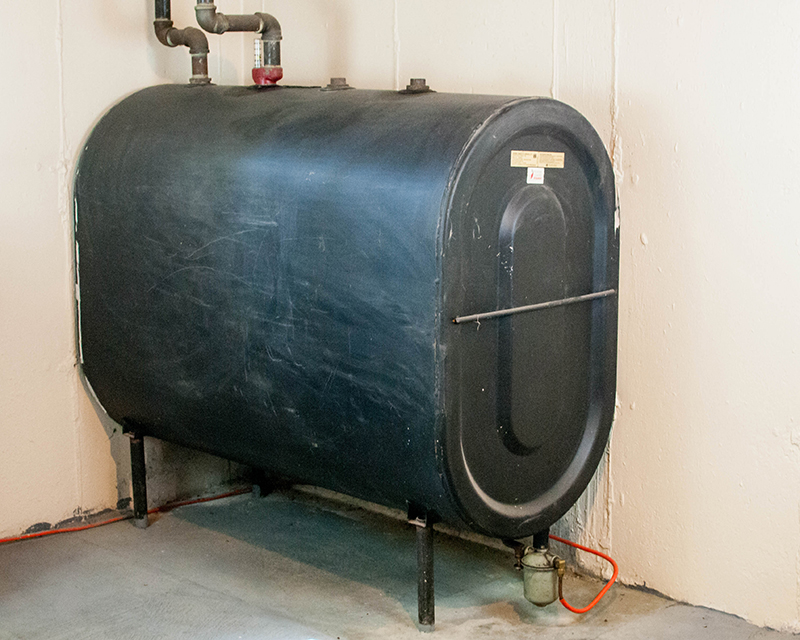
Here’s a reason why oil tank replacement shouldn’t come as an afterthought:
Time Bomb or Peace of Mind In time, the tank’s oil will begin to corrosion, weakness and leakage can occur. Even a tiny leak can cause contamination of the environment, expensive cleanups, and even health risks. Replacing your tank before it is damaged is a wise investment in your safety and peace of mind.
Becoming aware of the financial realities Understanding the replacement costs is vital. While the typical cost ranges from $1,200 to $4,600 dependent on factors such as tank size and location, the failure of a tank is a matter of concern and can lead to much higher costs caused by leaks, fines, and even property value devaluation. 275 gallon oil tank replacement cost, the most common size, usually falls between $1,500 and $2,000. A proactive and early detection is an excellent financial option.
Locating Your Local Heroes: When searching for oil tank replacement in your area, don’t settle for the first result. By comparing quotes and asking questions about their experience and certifications will enable you to identify reliable businesses in your area. Credibility and experience are vital to ensure a safe and successful installation.
Save money by proactively arranging tank replacement! Many local and state governments offer incentives or rebates to motivate responsible tank owners. These options should be considered when calculating the cost.
Take into consideration the tangible benefits of an oil tank. A new tank of oil can lower heating costs and ensure your peace of head.
Do Something: Your Plan for Oil Tank Security
Be aware of your tank’s age as well as the history of your tank: The majority of tanks have a life span of between 15 and 20 years. Consult a professional for an inspection of the tank or review your records.
Look for warning signs: Look for cracks, leaks or rust, or bulging in your tank or surrounding soil.
Do your homework Learn about the costs of replacing the oil tank local resources, as well as the regulations.
Get qualified professionals to help you: Request quotes from reliable companies and inquire about their experience and certifications.
Replace your tank as quickly as you can, to reduce costs as well as the environment and safety.
Neglecting your oil tanks isn’t just an inconvenience. They can pose a threat. It’s much more than a straightforward maintenance measure to replace the oil tank. It’s an investment for your family and home. You can make sure that your home’s heating system is secure and secure by prioritizing the replacement of your oil tank. This is not just sensible, but it displays a commitment to security and long-term wellbeing. A well-maintained tank is vital for the protection of your home as well as the people who live in it. A properly maintained and updated tank can provide peace of mind and comfortable living experience.