

Companies are constantly searching for new ways to retain and attract top talent in the ever-changing landscape of benefits for employees. Subsidized meals, especially as part of corporate cafeterias has become an effective method to increase an environment that is conducive to employee wellbeing.
Understanding Subsidized Meals:
A corporate cafeteria with a subsidy is not just a spot to get a bite for a snack; it’s a concrete signification of a company’s dedication to the health and well-being of its workforce. The idea behind this initiative is the concept of subsidised meals. Employers decide to contribute to the cost which allows employees to have access to nutritious and inexpensive food at the site.
Employee Economic Benefits
Subsidized meal plans for employees are a fantastic way to reduce costs of living. It is not uncommon for financial burdens to be high when costs are always rising. Employers can use food subsidies to ease the financial burdens of their employees, and allow them to enjoy high-quality meals, without straining their budgets.
Strategic Effect on Employee Satisfaction
Subsidized meals are essential to ensure employee satisfaction. A happy and productive workforce is one that is properly fed. The convenience of having subsidized lunch options on-site eliminates the need for employees to venture outside the workplace in search of food, saving time and reducing stress.
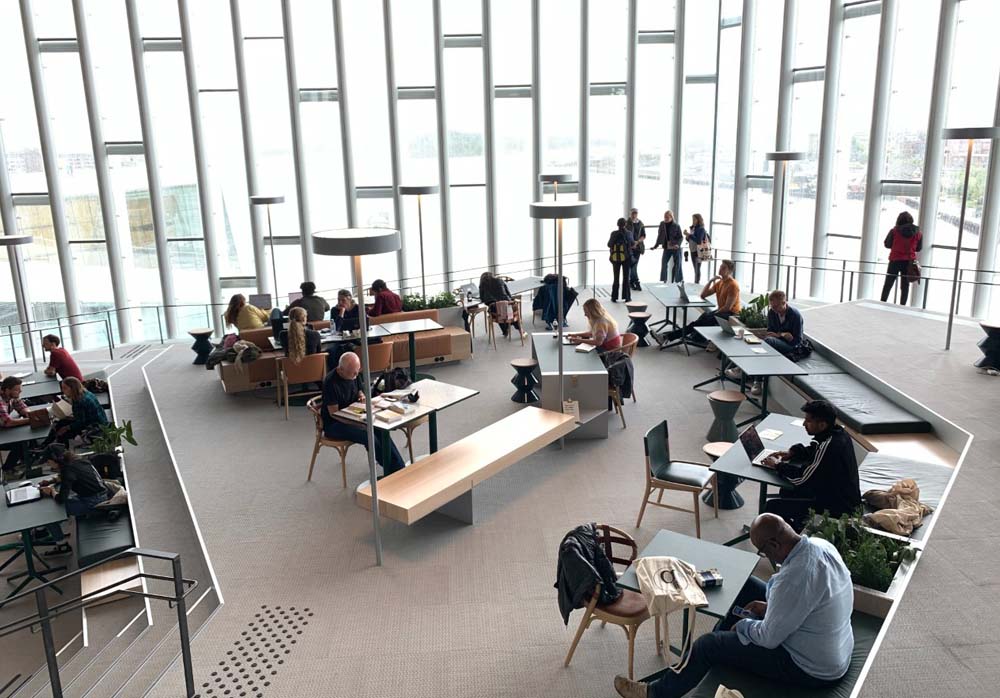
The social aspect of a corporate caféteria also fosters unity and camaraderie between employees. Sharing meals can be a great opportunity for informal social networking, collaboration, and ideas exchange.
Culinary Diversity and Preferences of Employees
Subsidized meal plans can also meet the culinary preferences of modern employees. Corporate cafeterias typically offer various choices that meet different food preferences and dietary requirements. Whether an employee is vegan, vegetarian or has food restrictions, a subsidised lunch program guarantees that everyone can enjoy an array of healthy and delicious meals.
What is the purpose of well-being and health?
Employee health is a key factor in productivity and long-term business success. Subsidized meal programs promote healthier eating habits, which in turn contribute to the health of employees. Nutritionists are able to help businesses create menus that focus on nutritious and balanced choices that will positively impact the health of their employees.
Building a Positive Culture at Work:
Subsidized meals play an important influence on the corporate culture. They show employees that their well-being is important to the business. The gesture goes beyond financial rewards, creating a supportive and nurturing environment that encourages dedication and loyalty among the workforce.
Win-Win for Employers
Subsidized meals are beneficial both employers and employees. A healthy and happy employees are more likely to be productive, innovative and enthusiastic. The positive impact on employee retention and recruitment on the performance over time of a firm can be explained by the success of its employees.
Conclusion:
Food that is subsidised, especially in the form corporate cafeterias are more than just a line in an employee benefit package. They are an investment in the well-being, satisfaction, and overall well-being of the workforce. Offering subsidised meals for employees is a great approach to create a positive culture at work.