

Diabetes is a chronic illness which can trigger various complications. It affects more than one-quarter of American senior citizens. According to a shocking statistic that ranges from 10 to 15% sufferers of diabetes are afflicted with foot and leg ulcers. These seemingly innocuous wounds, if left unattended, may escalate to a point where diabetic foot amputation becomes an unfortunate reality. A majority of amputations are caused by foot ulcers. This underscores the importance of preventive treatment and the need for a rigorous approach to care.
Diabetes management is a multi-faceted challenge, requiring a comprehensive approach that extends beyond the control of glucose. In this endeavor, consistent foot care is essential to preventing diabetes-related amputations.
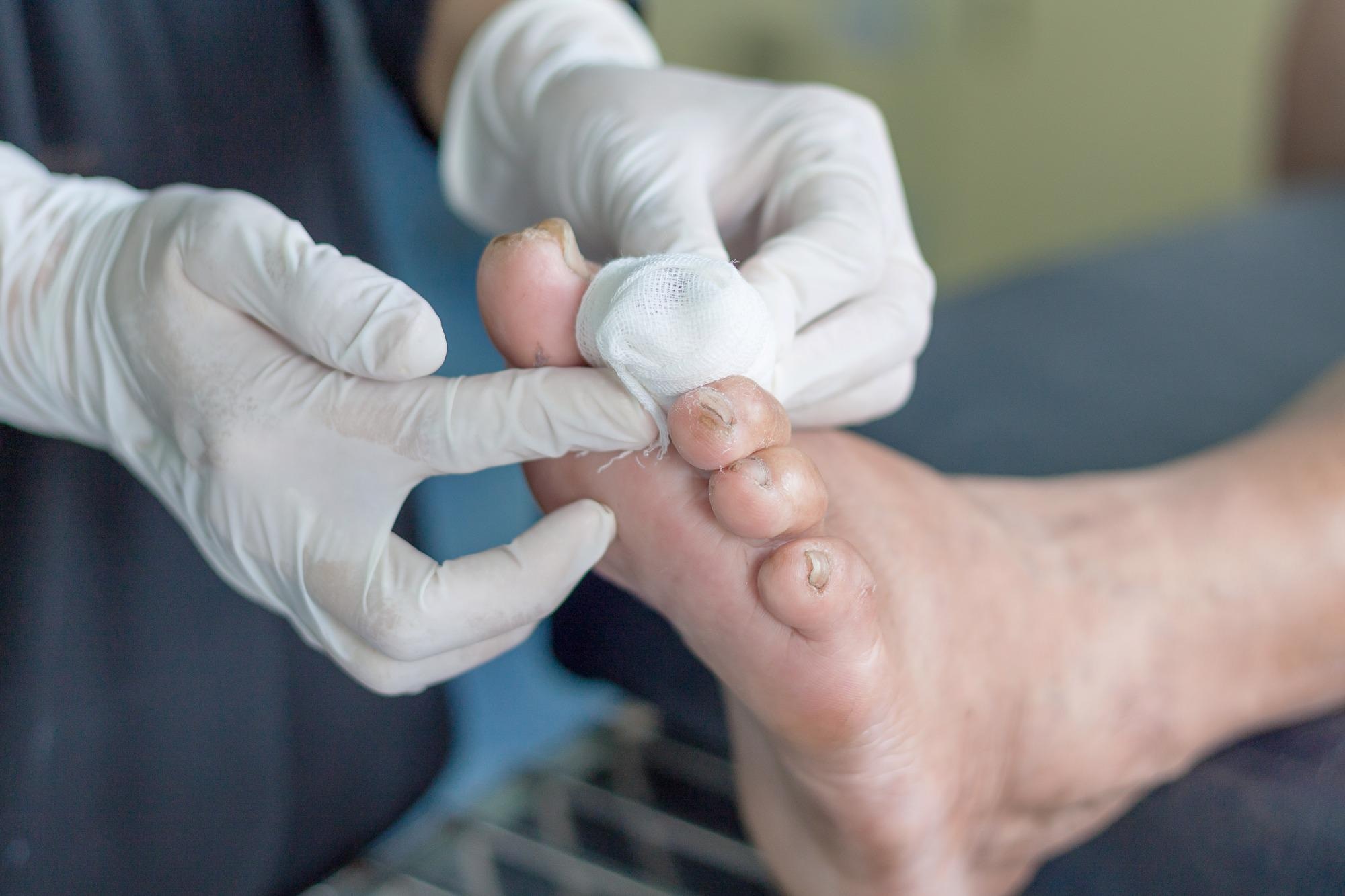
Understanding the Landscape
It is difficult to navigate the complex realm of diabetes and complications. The prevalence of leg and foot ulcers among people with diabetes highlights the need for heightened awareness and proactive care. With these stark numbers, it is apparent that the best method to avoid amputations is to create a better understanding.
The Amputation Conundrum
The possibility of an amputation is always present for diabetics. This is a situation that goes beyond mere statistics, affecting individuals at a purely personal scale. It’s a long road from a minor ailment up to the possibility that you may need amputation due to diabetes.
Daily Foot Care: A Protection From Amputation
The foundation of diabetes prevention is in the daily foot treatment. This routine isn’t just about keeping your feet clean; it’s an extremely thorough method for identifying and solving potential issues before they escalate. From inspecting the feet for wounds, to making sure there is the proper moisturization of your feet, every step in this daily ritual is an important step in the battle against diabetes-related amputations.
Vascular specialists: What is their function
Vascular specialists don’t deal with diabetes in a direct manner, however their knowledge is essential in managing complications. The ability to ensure that blood flow is maintained at a high level to the lower extremities becomes an important aspect of care in reducing discomfort in the legs and facilitating the healing of wounds. The purpose of this cooperative approach is to prevent the amputations caused by diabetes and reduce the consequences.
Strategies to Prevent Amputation
To navigate the maze of diabetes amputation risk you require a combination of awareness, vigilance and expert intervention. Adopting a proactive approach is crucial for people suffering from diabetes. Regular check-ups with healthcare professionals including vascular specialists aid in early detection and intervention.
Understanding the Triggers: Leg Ulcers and Beyond
Leg ulcers may be a precursor to other, more serious issues. Thus, they need our attentiveness. It is essential to recognize the causes that result in leg ulcers. If the cause is nerve disease or poor circulation, or a combination these conditions, identifying the roots allows for targeted interventions.
Empowerment through education
It is vital to educate people with diabetes about the dangers of the disease and how to stop them. Health care settings that offer education and in the general community can help bridge the knowledge gap. Understanding the consequences of seemingly harmless injuries can result in timely interventions and possibly averting the necessity for diabetic foot amputation.
Private Battles as well as Collective Triumphs
It’s more than an individual fight, but rather a winning collective effort to fight the amputations caused by diabetes. Engaging in support networks, whether through the healthcare professionals or through communities, can provide the opportunity to exchange experiences, ideas, and coping strategies. When you’re faced with the risk of amputation the emotional strain can be overwhelming. Support networks for communities provide security and strength.
The journey through diabetes, leg ulcers and the ever-present possibility of amputations are many-sided. Regular foot care is the first line of defense. Likewise, the skills of vascular specialists become crucial in reducing complications. Individuals with diabetes who are aware, take preventive measures, as well in fostering a system of support, are able to navigate through the maze of complications with optimism and perseverance which reduces the risk of amputation.