

In the ever-changing marketplace of online giants, two names have come up as contenders for throne of affordability and popularity: Temu and Shein. Both companies are renowned for their fast rise and reputation as affordable products. As with any other comparison, it’s essential to dig deeper into the details of their business models in order to be able to determine if Temu is like Shein, or if they’re different competitors in the world of e-commerce.
The rising and falling of temu
Temu’s rise to prominence certainly has drawn parallels to Shein’s story of success. Both companies have experienced exponential growth and caught the attention of shoppers who are budget conscious. Their appeal lies in the price of their products, which allows people to be fashionable and not break the bank. This has led some to wonder what is the difference between Temu & Shein made from the same material?
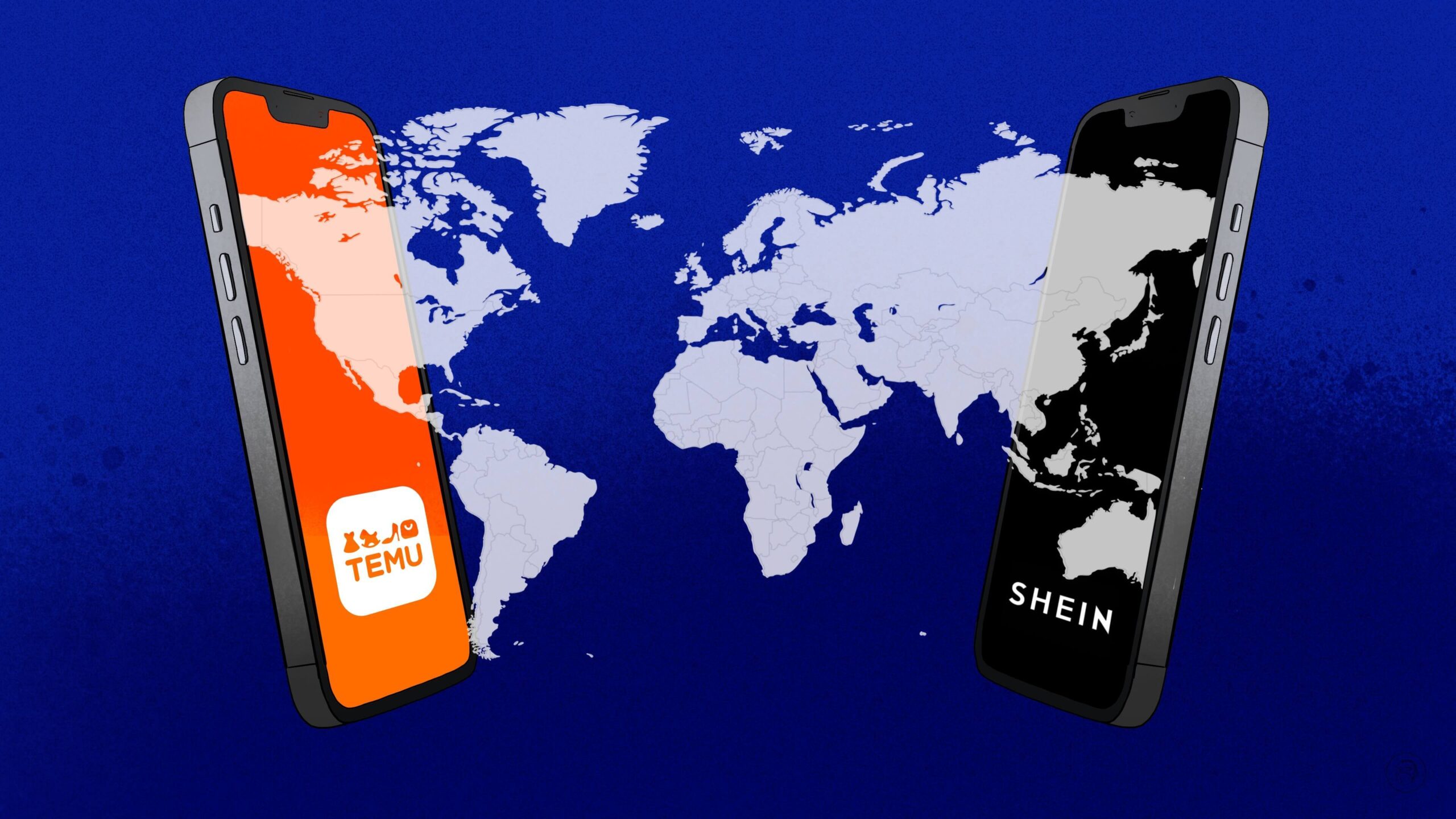
Similarities and Disparities
Although Temu and Shein have the common feature of providing products that are wallet-friendly however, they are not mirror models of one another. Temu’s Next-Gen Manufacturing Model is unique in the sense that it provides substantial savings across a variety of product categories. This model makes use of advanced manufacturing techniques that simplify manufacturing processes, ultimately cutting the cost of overheads and transferring the benefits to customers.
Shein is known for its fast-fashion approach and focuses mainly on clothing accessories, as well as other related items. Its appeal lies that it is always in tune with current trends in fashion, and offering an array of choices that cater to different fashion preferences. Shein’s emphasis on fashion as along with other verticals, such as accessories and beauty has made it possible to create its own niche. For more information, click is Temu owned by Shein
Business models are in the spotlight
Temu’s Next-Gen Manufacturing model deserves a closer look. Utilizing advanced technologies such as automation, data analytics and AI-driven insights Temu improves its manufacturing and supply chain processes. It allows them to reduce production costs while maintaining quality. Temu offers an array of goods in various categories including electronics to household items at affordable cost. This is what separates Temu from Shein which concentrates its efforts predominantly on fashion and related products.
Shein is a vast array of trends in fashion. But Shein’s business model relies on constantly updating inventory to keep pace with the fashion trends that change constantly. This demands rapid design production, distribution, and design cycles. This method has definitely helped to increase its popularity especially among the younger crowd who are looking for fashionable pieces at affordable costs.
Ownership is essential
One question that has been asked is if Shein is the proprietor of Temu. However, this is not the case. Temu is an independent entity with its own ownership structure. Temu is a distinct player in the field of e-commerce focused on its own manufacturing strategy, whereas Shein remains distinct and is known for its fashion-forward offerings.
The Takeaway
It’s not difficult to draw comparisons between two companies that have a similar development plans in the turbulent ocean of ecommerce. Temu’s and Shein’s story shows that, despite their similarities the differences between them are significant. Their different approaches to business, manufacturing, and focusing on markets highlight their distinctness.
Temu’s Next Generation Manufacturing model is a testament to innovation within the world of e-commerce. Temu makes use of technology to optimize its operations. This doesn’t just lower prices, but also enhances affordability in a wide range of categories. On the other hand Shein’s commitment to fashion trends and speedy product turnover confirms its status as a leading player in the realm of fashion e-commerce.
The issue of whether Temu is similar to Shein exposes the subtleties of the e-commerce environment. Both cater to customers who are price-conscious But their business models, strategies and areas of expertise differ substantially. Temu’s manufacturing prowess and Shein’s fast-fashion finesse reveal the variety that exists within the online marketplace. As consumers and online shoppers we should take the time to appreciate the uniqueness of each one and look into the ever-expanding realm of shopping online.