

It is crucial to recognize neurodiversity within the ever-changing landscape of development in childhood. Children who suffer from disorders like ADHD as well as autism require an environment that encourages their unique abilities and helps them to excel. This is where the synergy between ADHD support as well as autism sensory play sensory integration toys, as well as playthings that are mindful for children come into play. Integrating these elements into everyday routines will help caregivers and teachers develop experiences that promote holistic growth.
ADHD Support for children by focusing on confidence
Children suffering from ADHD often face challenges in staying focused and controlling the impulses. To provide effective support, it’s essential to employ strategies that stimulate their minds and respect their uniqueness. Playthings that foster the development of mindfulness and calmness for children can be great aid. They are a tactile toy that help to calm restlessness while teaching children how to change their focus. Integrating mindfulness techniques into playtime not only aids in managing ADHD symptoms, but also equips children with life-skills for emotional regulation and stress reduction.
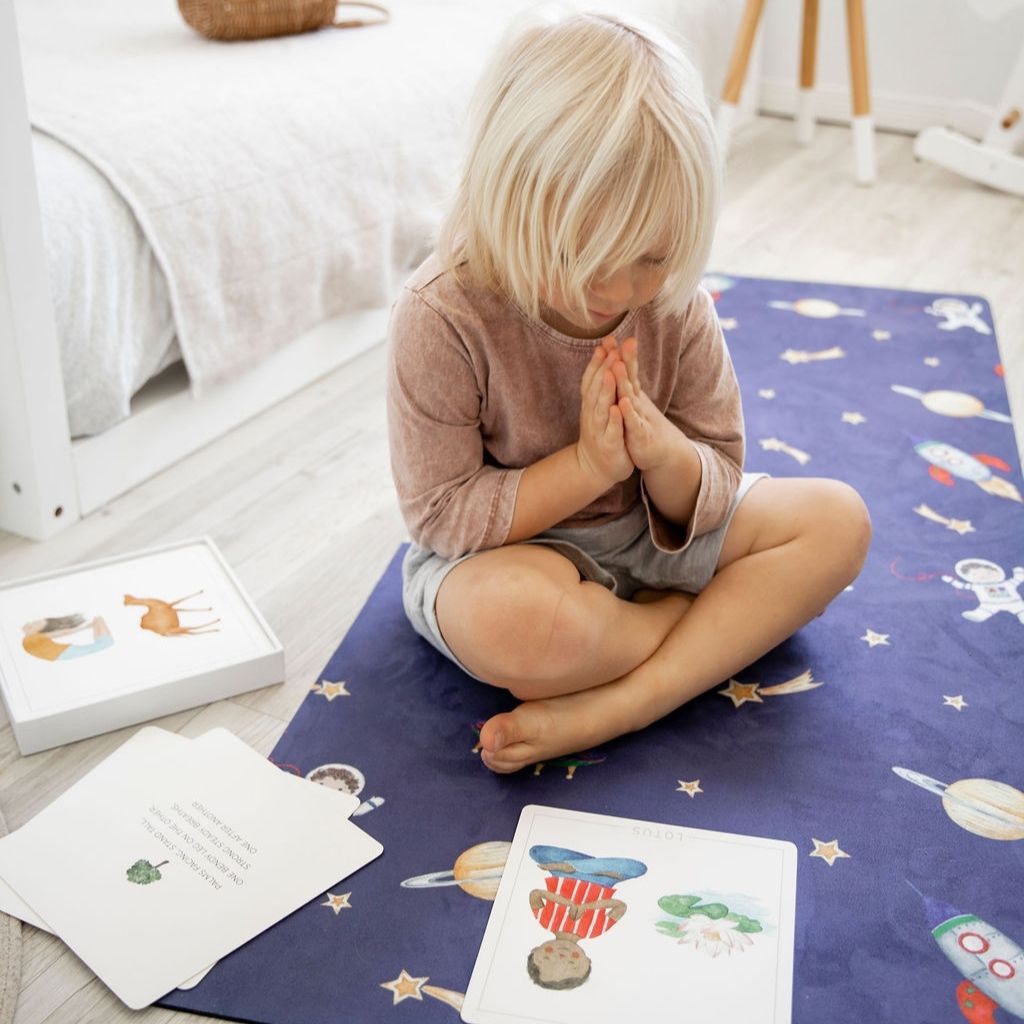
Autism Sensory Play: Nurturing Expression and Exploration
Children on the spectrum can discover sensory experiences that are stimulating and challenging. Autism sensory play involves creating an environment that stimulates senses, and assists in the development of key abilities. Sensory integration toys play a significant role in this approach. They engage multiple senses at once to encourage sensory exploration coordination, as well as cognitive development. Through the use of their tactile visually, auditory, as well as other senses, children can to communicate more clearly their feelings and better understand their surroundings. By encouraging autism-related sensory play in children, caregivers can empower them to speak out, develop self-confidence and connect with the world around them.
Sensory Integration Toys: Building Bridges for Child Development
Sensory integration toys act as a bridge for connecting children to the world. They come in various sizes in textures, shapes and colors to focus on different motor skills and senses. They give children the opportunity to discover and adapt the input of their senses. It helps develop their sensory processing capabilities. The three major benefits of sensory toys include:
1. Sensory integration toys allow children to experience a variety of sensory experiences, sounds, and visual clues. The exposure stimulates their brains to be able to process sensory information more efficiently, enhancing their ability to respond to stimuli from everyday situations.
2. Better Motor Skills: Many sensory toys require intricate hand movements that require fine motor skills and hand-eye coordination for manipulating. The play with these toys helps youngsters develop their motor abilities and dexterity, which leads to improved physical control and confidence in their movements.
3. Cognitive Development: The multisensory nature of these toys engages various regions of the brain simultaneously. This activity aids in the development of cognitive abilities by enhancing connections between neural pathways and enhancing creativity and problem-solving skills.
Mindful Toys for Kids: Nurturing Peace and Concentration
The idea of mindfulness is becoming more popular due to its profound effect on our emotional wellbeing. The toys that children play with are mindful and incorporate mindfulness into the play to encourage them to remain focused and in the moment. They often include tasks that require concentration, such as coloring, puzzles or guided relaxation exercises. Through these games, children learn how to direct their focus and energy to the task at hand. This can help their schooling and social skills.
When we explore the world of ADHD support and autism-related sensory play, and also sensory integration toys and mindful toys, it is vital to consider the overall strategy that arises from the interplay. These elements are not isolated; instead, they combine to form a strategy that’s designed to meet the needs of children who are neurodiverse. By infusing sensory play and mindful activities in daily routines, parents create an environment that addresses emotional, cognitive, and sensory needs at the same time.
To conclude, the journey to support children with ADHD or autism requires embracing the strengths and challenges they face. Through the integration of sensory play as well as sensory integration toys and mindfulness methods, educators and caregivers can create a nurturing space that encourages growth on multiple levels. It doesn’t matter if it’s helping focus, fostering self-expression, increasing sensorimotor processing, or promoting mindfulness, every component helps to provide a holistic approach to child development. The ability to unlock these strategies will pave the path for a better future for all kids, no matter their neurodiversity.