

When it comes to maximizing the performance and efficiency of engines, fuel quality is a crucial factor. Diesel fuel, after a certain period may be contaminated by impurities like water or sediment. This can result in engine failure and costly repairs. This is where fuel polishing is an option to fight fuel contamination and ensure the efficiency of engines.
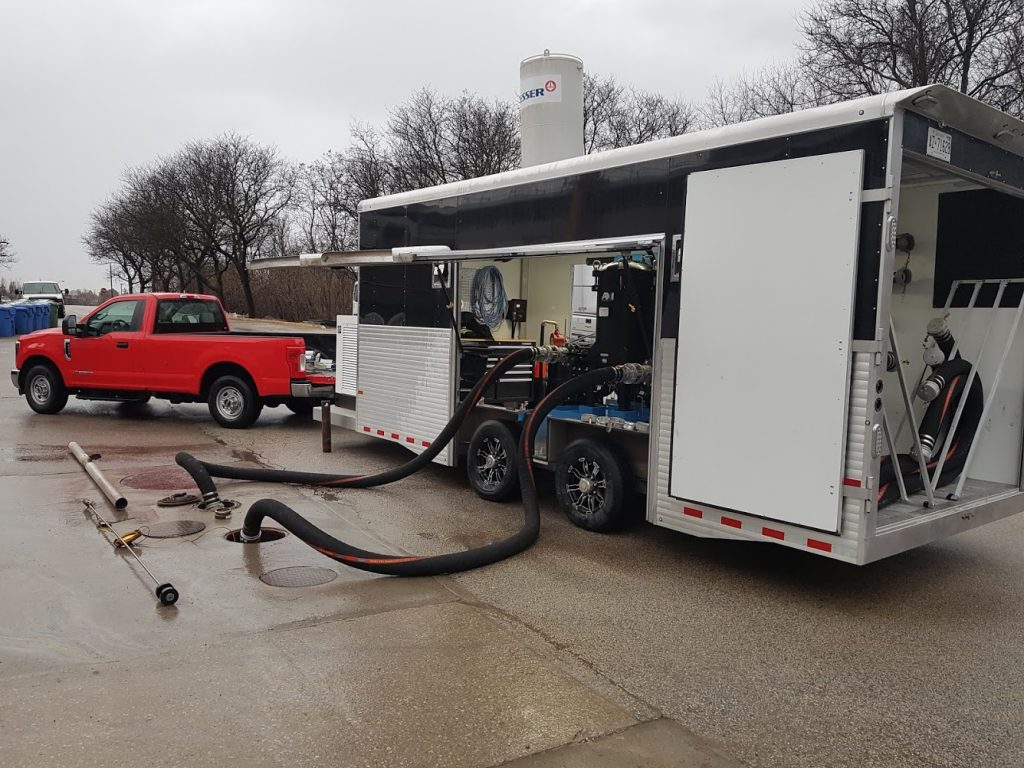
Fuel polishing (also called diesel polishing) is the process of eliminating contaminants from diesel fuel. It is a service that is offered by professionals who employ sophisticated methods and equipment that return fuel to its best state. Polishing the fuel improves engine performance and decreases the cost of maintenance by eliminating harmful substances.
There are numerous polishing companies that can accommodate the demands of various industries that use diesel fuel. These services employ highly trained technicians who have expertise in fuel systems and are aware of the complexity of contamination in fuel. They are able to identify fuel problems using their specific equipment and in-depth knowledge.
The main purpose of fuel polishing is to remove contaminants such as sediment, water, or microbial contaminants from diesel fuel. The accumulation of water in tanks for fuel due to leakage or condensation, leading to corrosion, fuel degrading and the development of bacteria and fungi. Sediment, in contrast is a result of impure substances or degradation of components of the fuel. These contaminants can clog filters and injectors, which can lead to decreased engine performance.
Diesel fuel polishing typically involves a multi-step process. The analysis and sampling of fuel is the first step in order to determine the extent of contamination. After the analysis is completed technicians use filtration systems to remove impurities and contaminants from the fuel. These systems utilize various filter media and technology to remove and separate contaminants, leaving behind clean diesel.
Regular fuel polishing offers several key benefits. First, it increases the quality of fuel and ensures that engines are supplied with fresh and consistent fuel to ensure efficient combustion. This improves efficiency and fuel efficiency which results in cost savings and reduced emissions. Second, fuel polishing helps decrease the chance of engine damage and failure caused by the contamination of the fuel. It helps to maintain the integrity and longevity of engine parts by eliminating harmful substances.
Regular diesel fuel polishing (also referred to as polishing with diesel) can provide many advantages in keeping fuel quality. First, it helps eliminate contaminants such as water, sediments, and microorganisms that can negatively impact engine performance. Through the elimination of these impurities by the process of diesel polishing, fuel quality is significantly improved. Improved combustion efficiency leads to increased fuel economy and less emissions. Regular polishing of diesel also helps prevent blockages in fuel filters, injections, and many other vital components. This minimizes the possibility of engine damage, or expensive repairs. Regular fuel polishing also ensures that fuel storage systems last longer by preventing the buildup of corrosion as well as sludge. Regular diesel polishing or fuel cleaning can enhance engine performance and decrease costs. Additionally, it improves the efficiency of equipment.
Fuel polishing is also adjusted to meet the specific requirements of various industries and uses. From backup generators and ships to construction equipment and transport fleets, the fuel polishing process offers a variety of solutions to deal with pollution of the fuel supply across a vast spectrum of industries. It is especially important for businesses that depend on a unreliable and continuous power supply, as well as businesses operating in remote and extreme environments where fuel quality is at risk.
The process of polishing fuel is a vital process for ensuring the cleanliness and quality diesel fuel. It boosts engine performance, lowers maintenance costs and extends the lifespan of equipment by removing contaminants and impurities. Through investing in a professional approach to polishing of fuel, businesses can ensure their operations are protected, increase performance, and lower the risk associated with fuel contamination. If you’re managing the fleet of vehicles you own or operating critical power systems be sure to consider the benefits of polishing your fuel in order to realize the full potential of the diesel fuel you use and help propel your business forward.