

Normal to expect that any cuts, blisters or sores heal themselves. With a little time and effort the body will recover itself. If a wound doesn’t heal within about four to six weeks, or gets more red, swollen and leaking fluid, or has an unpleasant odor, it could indicate that there’s something more serious going on. Sometimes, a sore that starts small can become a non healing foot ulcer or leg wound, and if left untreated, these can lead to serious complications, even amputation in extreme cases.
If you’ve been waiting and waiting for your sore to heal, then it may be the right time to seek advice.
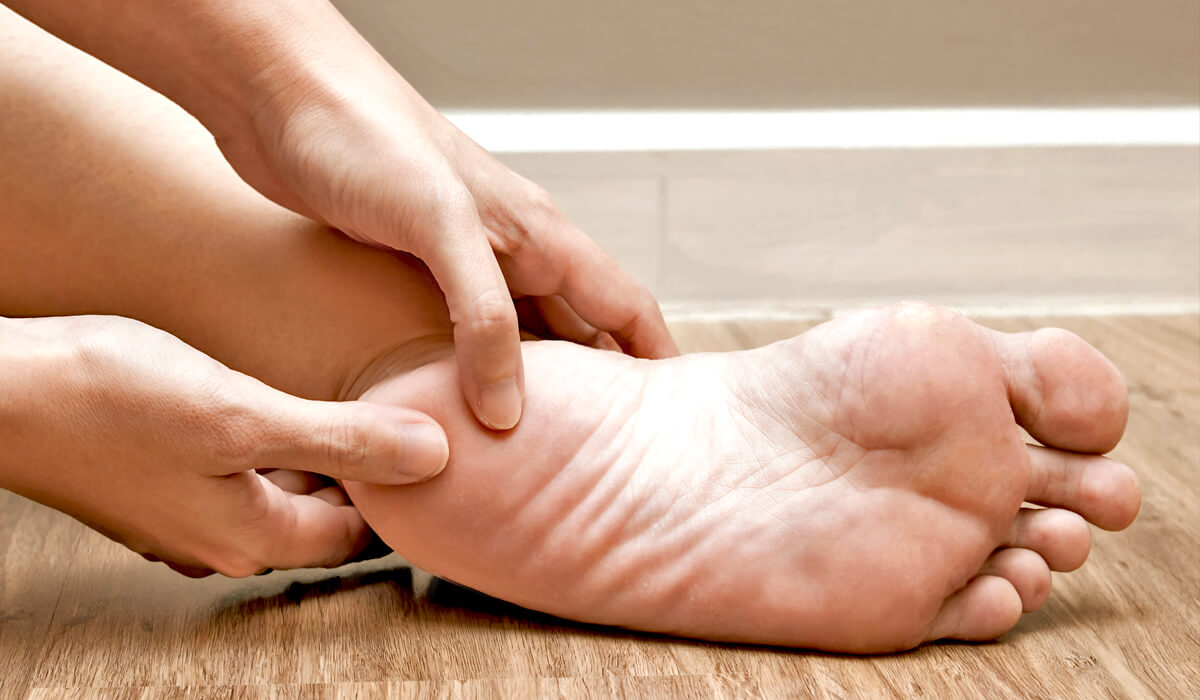
Why some wounds refuse to heal
There are several common reasons for why a wound doesn’t heal. Understanding the reasons can assist you (and your doctor) find the most effective method to treat it.
If you’re suffering from diabetes the chance of developing leg and foot ulcers is very high. Blood sugar levels that are high can affect your nerves (so you don’t feel injuries in the event of an injury) and limit blood flow, which makes it hard for even small wounds to heal.
A slow or inadequate circulation could be a reason. This is often caused by venous or artery ulcers. If your veins or arteries aren’t doing their job then your blood supply isn’t getting enough oxygen and nutrients to heal your skin.
If you’re not able to move about, there is a chance that you’ll develop pressure ulcers.
Other elements like age as well as certain medication (like blood thinners) or autoimmune diseases, and even poor nutrition may hinder healing. Sometimes, it’s a combination of all these elements that lead to a wound not to heal.
How long should healing take? And What If It Doesn’t?
It’s common to ask the length of time healing “should take”. In reality, it depends on the type of wound as well as your overall health. Small blisters or cuts can heal within a few weeks. If you’ve got a foot wound that’s not healing, or a leg injury that doesn’t heal, it could be 12 months.
The most important thing to keep in mind is this: if not seeing any noticeable improvement after 4 to 6 weeks, don’t delay. It’s the right time to seek the help of an expert. The longer an open wound remains longer, the more risky it may become.
The Best Help is What You Are Deserving
If the sore doesn’t heal It’s not simply “bad luck” or something you should ignore. your body is trying to tell you it needs help. What’s the good news? There are specialists and treatments that make a big difference. Our clinic are experts in the treatment of non-healing foot leg ulcers and leg wounds, as well as working with your other medical professionals to develop a personalized plan that gives your body the best chance to heal and keep your feet safe from amputations.
There are solutions for advanced wound dressings, blood flow improvement, and even hyperbaric therapy. We’ll assist you throughout the way, because nobody should ever have to confront a wound that won’t heal by themselves.
Final Thoughts
A wound that isn’t able to heal impacts the person in many ways, not just one. It could alter your life. There is possibility. Don’t hesitate to ask for help if you are exhausted of having to deal with an injury to your leg that will not heal or heal, or a sore that is persistent, or a painful foot wound that’s not healing. The sooner you do then the quicker you’ll return to the life you deserve without the constant stress and discomfort of a stubborn wound.