

The rising use of electronic cigarettes among students is an issue for schools around the world, causing administrators to search for solutions to curb this issue. Vape detectors specifically made for school environments have become a powerful tool for maintaining an enviroment that is healthy and safe setting. They do more than just detect smoke from vapes, they assist in monitoring various safety issues such as crowding, loitering and even aggressive behavior.
1. The Increasing Need for Vape Detectors in Schools
Schools are struggling to detect and prevent smoking cigarettes among students because of its growing prevalence. Vaping can be harmful to your health and disrupt the learning environment, especially for students who are younger. Vape detectors are designed specifically to address these issues and offer real-time alerts that ensure that staff can take action quickly. These alerts are able to assist administrators to determine if students use vape in restrooms or locker rooms, or other protected areas, in which traditional monitoring methods might not be practical.
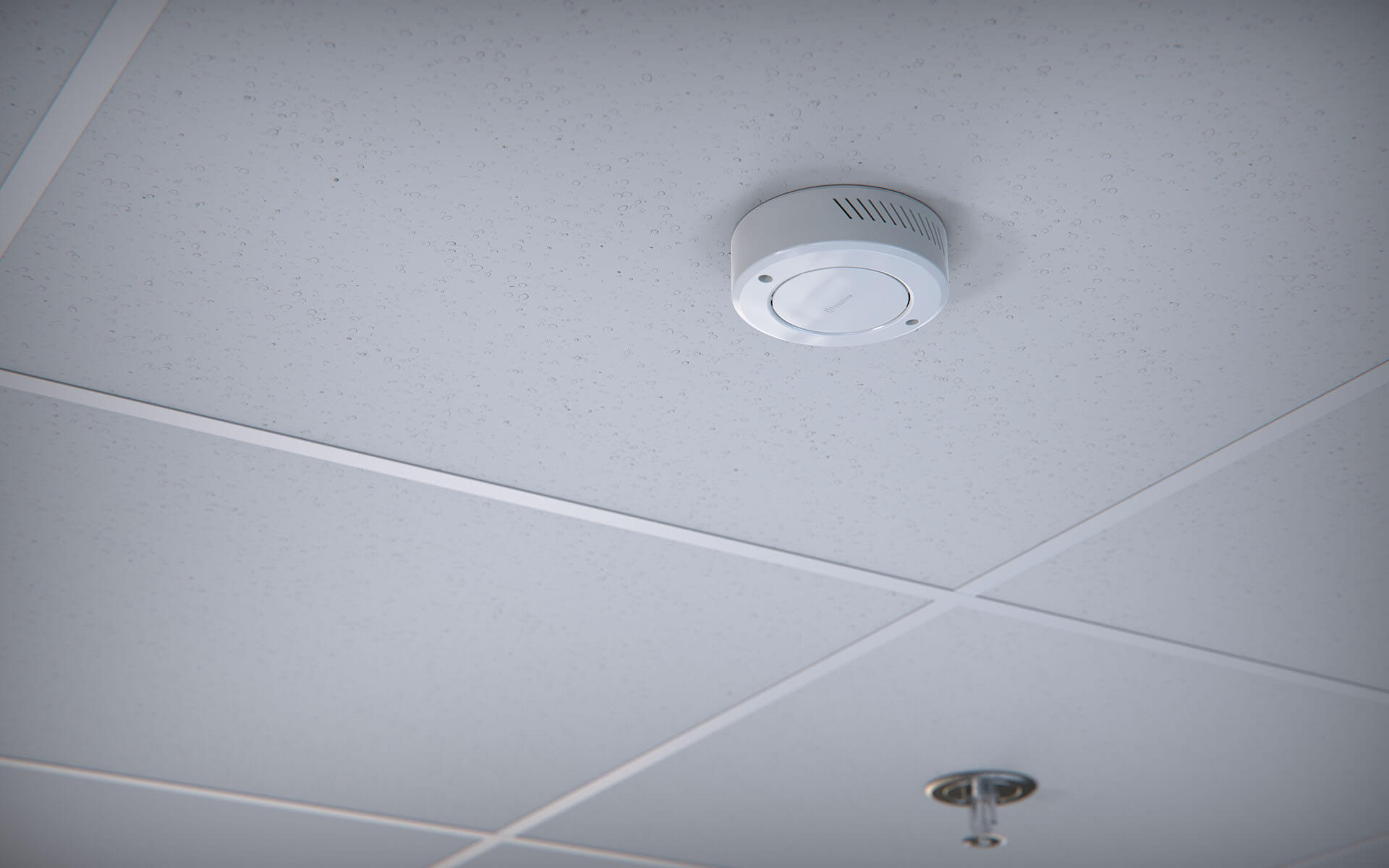
Vape detectors are in great demand due to the necessity to stop students from smoking as well as identify those who are violating the rules and ensure a secure environment for everyone. Vape sensors can be strategically placed in schools to limit vaping and help create a healthier atmosphere for students.
2. How Vape Detectors work?
Vape detectors have advanced sensors which can detect compounds in the air linked with vaping, such as THC or nicotine. Smoke alarms for vapes issue an alert through an app or dashboard to the school administrator when it finds vape aerosols. This real-time monitoring allows school personnel to respond swiftly, taking action and preventing future violations.
Vape sensors are more than just a simple detection device. The Triton ULTRA school vape detector is a prime example. It features the patent-pending occupancy visualisation that detects crowding, loitering, and other disruptive behaviours within closed areas. This is useful for areas such as bathrooms, where students may be affluent and engage in other disruptive behaviors. Schools can increase security by identifying areas with frequent traffic or a suspicion.
3. Benefits of Real-Time Alerts as well as Monitoring
Vape detectors provide the benefit of instant notifications for vaping activities. Real-time monitoring is crucial for schools who need to respond swiftly to incidents and prevent the spread of smoking vapes and limiting the potential health risks. Alerts do not just inform personnel of the presence of vape smoke, they also be an indication of prolonged usage in certain areas, signaling possible inactivity.
A smoke alarm for vapes is an essential tool as it detects nicotine as well as THC. In the event of identifying certain types of vaping, teachers can take the necessary actions. This could include informing parents, conducting additional investigations or enforcing policies. This proactive approach can help deter smoking vapes and highlights the seriousness of the issue in the student population.
4. Security of Privacy and Monitoring
The privacy of students is a top aspect of any school monitoring system. Vape detectors can solve this issue through the use of sensors to check the air quality, without recording images or audio. This method of privacy protection protects the rights of pupils while providing a secure method of protection.
Triton Sensors is one example of a business that provides vape detection devices for schools which are completely privacy compliant. Their proprietary occupancy visualization technology gives valuable information on crowding and loitering without infringing on individual privacy. This approach is unique and allows vape detectors to be used in sensitive areas like restrooms and locker rooms, where traditional surveillance might not be suitable.
5. The Impact of Vape Detectors in schools
While vape detectors are specifically designed to identify e-cigarettes, their capabilities extend beyond that. Modern vape detectors can be used to recognize other threats like gunshots or violence. They offer a full solution for safety. Multi-functional technology allows schools to solve a variety of safety concerns, resulting in a safer environment.
Schools also can gain insight by using vape sensors to examine air pollution levels and dangers to safety. This data-driven approach permits the identification of problem areas and leads to more targeted interventions and improvement of policies.
Conclusion
Vape detector for schools has become a crucial tool in the fight against vaping and other safety concerns. The advanced technology behind vape sensors permits real-time monitoring of the situation, immediate incident alerts, and privacy-compliant occupancy monitoring. Implementing vape smoke alarms in schools will help improve security procedures and prevent bad habits, as well as encouraging a more positive learning environment. Making the investment in vape detectors does more than just help curb the problem of vaping, but also positions schools as active guardians of the wellbeing of students.